Queen Creek, Arizona, nestled in the southeastern part of the Phoenix metropolitan area, is known for its stunning desert landscapes and warm climate. As homeowners and landscapers explore options for beautifying their outdoor spaces, understanding the unique environmental conditions of this region is crucial. The right plant choices can enhance curb appeal, provide necessary shade, and create a vibrant atmosphere that reflects the breathtaking Arizona scenery. This guide delves into the best plants suitable for landscaping in Queen Creek, emphasizing native species that thrive in arid climates while minimizing water usage and maintenance.
Understanding Queen Creek's Climate
Before selecting plants for your landscape design, it is essential to grasp the local climate. Queen Creek experiences a hot desert climate characterized by long summers with temperatures often exceeding 100 degrees Fahrenheit and mild winters. Rainfall is scarce, averaging about 10 inches annually, primarily occurring during the monsoon season from July to September. These conditions necessitate drought-tolerant plants that not only survive but flourish under intense sun exposure.
Native vs. Non-Native Plants
While non-native plants can add variety to your landscape, native species are inherently better suited for the local environment. They require less water and fertilizer, attract local wildlife such as birds and butterflies, and resist pests and diseases prevalent in the area. When planning your landscape installation, consider incorporating a mix of both native and well-adapted non-native plants to achieve a diverse yet sustainable garden.
Top Plant Choices for Queen Creek Landscaping
1. Desert Willow (Chilopsis linearis)
The Desert Willow is an excellent choice for Queen Creek landscaping due to its stunning trumpet-shaped flowers that bloom from late spring through summer. This deciduous tree can reach heights of 15 to 25 feet and offers graceful foliage that provides dappled shade during hotter months. Its adaptability to various soil types makes it a versatile option for different landscaping situations.
2. Red Yucca (Hesperaloe parviflora)
Red Yucca is a perennial succulent that thrives in full sun and requires minimal water once established. Its tall flower spikes can reach up to five feet high, producing tubular coral-red flowers that attract hummingbirds throughout the blooming season from spring to fall. This plant adds striking architectural interest with its sword-like leaves while offering low maintenance.
3. Lantana (Lantana camara)
Lantana is a vibrant flowering shrub known for its clusters of colorful blooms that come in shades of yellow, orange, pink, and purple. landscaping in Queen Creek AZ It flourishes in full sun and tolerates drought well after establishment. Lantanas are particularly valuable for attracting pollinators like bees and butterflies while providing excellent ground cover or border solutions in gardens.
4. Palo Verde (Parkinsonia spp.)
The Palo Verde tree is Arizona's state tree and an iconic feature of desert landscapes. Its green bark performs photosynthesis when leaves drop during extreme heat or drought periods. This tree provides ample shade with its broad canopy while displaying beautiful yellow flowers in springtime—a sight cherished by many residents.
5. Mexican Feather Grass (Nassella tenuissima)
For those looking to add texture to their gardens without heavy watering needs, Mexican Feather Grass offers delicate plumes that sway gracefully in the breeze. This ornamental grass grows up to three feet tall and pairs beautifully with other drought-tolerant plants like succulents or desert shrubs.
Creating a Cohesive Landscape Design
When designing your landscape in Queen Creek, consider how these plants interact with each other as well as larger elements such as hardscaping features or pathways. A cohesive design should incorporate varying heights, colors, textures, and shapes to create visual interest throughout the year.
Layering Plants Effectively
Layering is crucial when designing landscapes; it helps establish depth while allowing each plant’s unique characteristics to shine through without overshadowing others. For example:
- Position taller plants like Desert Willows toward the back of flower beds. Use medium-height shrubs like Lantana as focal points within beds. Place low-growing ground covers such as Mexican Feather Grass at the front edge.
This approach not only enhances aesthetics but also ensures all plants receive adequate sunlight without competing heavily for resources.
Practical Considerations: Watering Needs & Maintenance
Drought-tolerant landscaping doesn’t mean no watering at all—especially during establishment periods when newly planted vegetation requires regular moisture until roots take hold adequately within their new environment. Implementing drip irrigation systems can provide targeted watering directly at root zones without wasting precious resources on areas where they aren’t needed.
Additionally, mulching around base areas helps retain moisture during dry spells while suppressing weed growth—an added benefit when maintaining any garden space effectively.
Incorporating Hardscaping Features
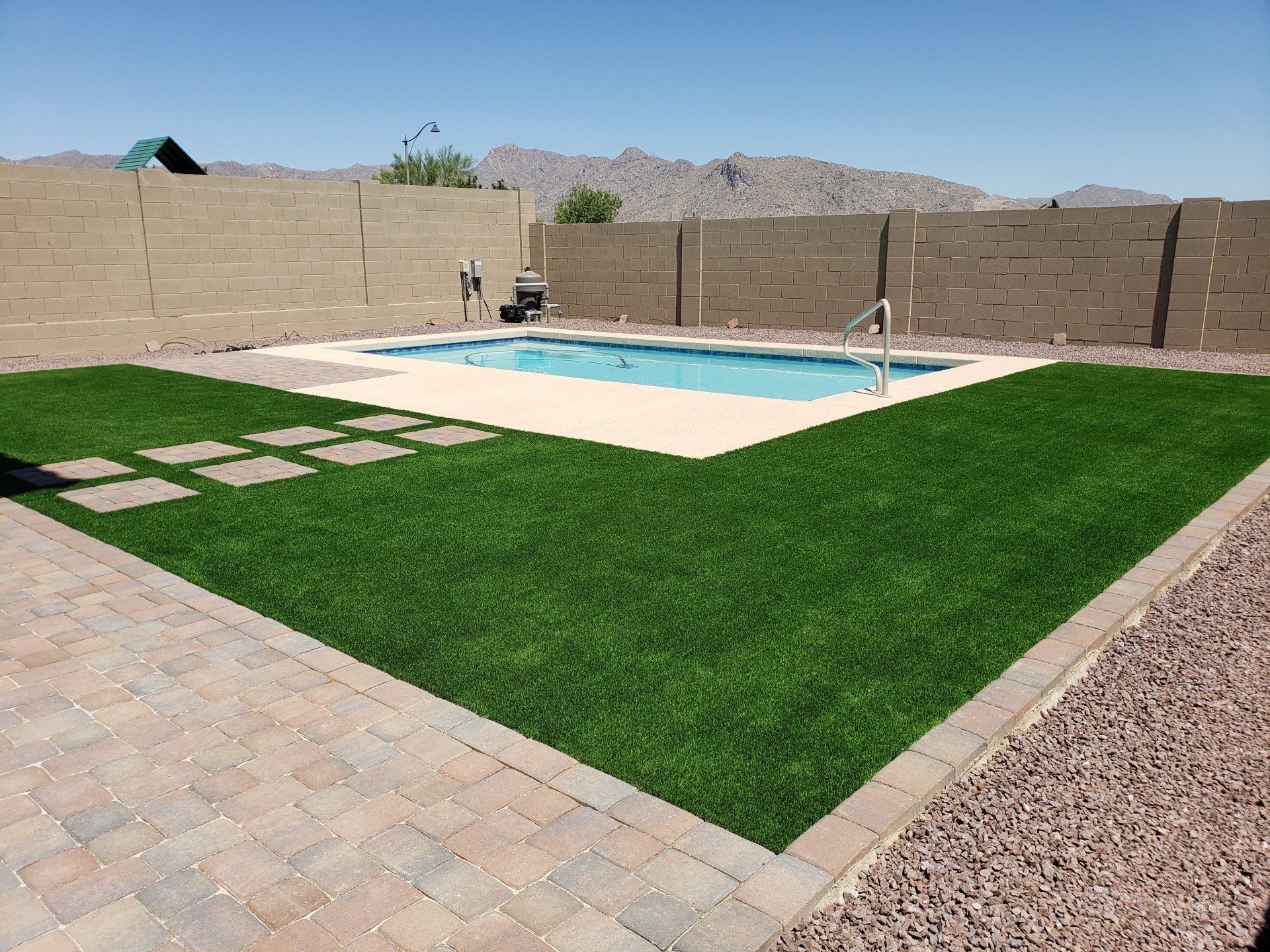
Hardscaping elements like patios or walkways complement softscape features beautifully while enhancing usability within outdoor spaces—crucial considerations when developing family-friendly landscapes where children play regularly or gatherings occur frequently among friends.
Natural stone pavers blend seamlessly into desert settings; choosing materials similar in color palettes allows structures not just functional but visually appealing too! Consider using decomposed granite between stepping stones to create inviting paths leading through gardens filled with vibrant flora—all designed according to individual preferences!
Engaging Local Expertise: Blossom & Oak Landscaping
Working with local landscaping services such as Blossom & Oak Landscaping can significantly simplify navigating plant selection tailored specifically toward your yard's unique conditions—whether it be soil type variations across property lines or microclimates resulting from nearby structures impacting sunlight exposure throughout different seasons.
Professionals understand what thrives best here—they’ll guide you through evaluating site-specific requirements alongside personal aesthetic desires ensuring everything meets necessary standards before installation begins!
In addition… they might provide insight into seasonal changes affecting plant behavior so homeowners feel confident making adjustments over time if needed down road!
Conclusion: Crafting Your Oasis
Transforming your outdoor space into a stunning oasis requires careful consideration of plant selections suited specifically for Queen Creek’s climate challenges—but doing so offers immense rewards! By prioritizing native species alongside thoughtful integration of hardscape elements combined with professional guidance from experts like Blossom & Oak Landscaping—you’ll craft an inviting environment reflecting personal style while preserving ecological balance vital within our shared ecosystem!
With patience—and perhaps some trial-and-error—you’ll witness transformation unfold beautifully over seasons ahead! Whether you envision serene evenings spent under swaying Desert Willows or lively afternoons surrounded by radiant Lantanas humming away—your dream landscape awaits!
Blossom & Oak Landscaping
20665 S 191st Wy, Queen Creek, AZ 85142, United States
+1 (480) 660-4666
[email protected]
Website: https://www.blossomandoak.com